Seasonal HVAC Tune-Up Checklist for Kansas City Residents
Kansas City weather is a real two-season stress test. In summer, humidity stacks the deck against you, and air conditioners have to move real heat while keeping indoor comfort steady. In winter, the furnace has to light reliably and push warmth through ductwork that has likely shifted through years of temperature swings. A seasonal tune-up is not glamorous, but it is one of the most practical ways to protect comfort and budget.
If you are looking for reliable AC maintenance in Kansas City, MO, the good news is that you do not have to guess blindly. You can build a routine that matches local conditions, then pair it with competent service from an HVAC contractor in Kansas City, MO when it counts. Below is a complete, real-world checklist you can use before the heat or cold really pins you down, plus the questions I would ask a technician before I let them touch my system.
Start with what you know about your system
Before you do anything else, take ten minutes to write down what you already suspect. Not because you want to play HVAC detective, but because the technician will ask you for specifics.
Think about the last season. Did your AC cycle on and off too quickly? Did the house feel cool in one room and stubbornly warm in another? Has your furnace started making a new sound at ignition, or has the airflow felt weak? Even small notes like “filter gets dark fast” or “thermostat seems slow to respond” help narrow the likely causes.
Also check the basics that people often forget: when the filter was last changed, whether supply vents and return grilles are blocked, and whether any rooms have been closed off regularly with doors or movable dampers. Kansas City homes can have duct runs that are long or awkwardly routed, so airflow restrictions matter more than most homeowners expect.
The simple homeowner checks that prevent a lot of service calls
You do not need tools to spot many problems early. These are the checks I recommend doing at the start of each season, ideally a week or two before you expect peak demand.
- Confirm you can access the outdoor AC unit and that nothing is piled against it
- Replace the air filter if it is dirty, bent, or installed backward (if you are not sure, check the arrow on the frame)
- Test thermostat operation by setting it to cool or heat for a short period and watching for consistent response
- Inspect visible duct openings for loose connections and check that return grilles are not blocked
- After the system runs, feel airflow at multiple vents and note any warm or weak locations
That list is not about being thorough in a technical sense. It is about catching the obvious issues that cause real performance drops, like a clogged filter restricting airflow, a blocked return starving the system, or an outdoor unit with leaves and debris reducing airflow across the coil.
A quick personal example: one July, a homeowner AC repair in Kansas City MO all4onekc.com told me the “AC is fine, it just can’t keep up.” When we checked, the air filter had been installed with a poor seal and was bypassing. The system was working hard, but a chunk of the air was going around the filter instead of through it. Comfort improved after the fix, and the AC did not feel like it was constantly chasing the thermostat.
AC tune-up season in Kansas City: what to watch before it gets unbearable
When summer humidity shows up, the air conditioner has to do two jobs at once. It cools the air and it removes moisture. Moisture removal is where comfort either feels effortless or feels clammy.
A properly serviced AC in Kansas City usually has clean coil surfaces, good airflow, correct refrigerant charge by proper measurement, and safe electrical connections. Without those, you might see symptoms like higher humidity indoors, uneven cooling, higher energy bills, or short cycling.
Here is what matters most during pre-season preparation:
1) Outdoor unit airflow and cleanliness
If leaves, grass clippings, or cottonwood fluff get packed around the outdoor cabinet, the condenser cannot reject heat as efficiently. That shows up fast as reduced cooling capacity and longer run times. In KC, the outdoor unit can go from “looks fine” to “packed” quicker than you think, especially after windy days or heavy seasonal shedding.
Also pay attention to the area around the unit. If the grass is being allowed to grow right up to the cabinet, airflow gets restricted. If mulch or landscaping fabric covers the base area, it can trap moisture and debris.
2) Indoor airflow and filter condition
Airflow is the backbone of AC performance. You can have a brand-new compressor, but if airflow is weak across the evaporator coil, the coil can get too cold and frosting can occur, or the system can simply struggle to pull heat out of the house.
Filter issues are common. Some homeowners run low-MERV filters for “airflow.” That is fine if it matches the system needs and indoor air quality goals, but the filter still needs to be clean and correctly installed. If you have pets, allergies, or you live near dustier conditions, you may need to change more often than the label suggests.
3) Electrical connections and safety checks
A tune-up is not just about moving parts. Electrical components and safety controls affect everything from ignition reliability to compressor health. Over time, terminals can loosen slightly, contactors can degrade, and wiring insulation can get brittle from heat cycling.
In practical terms, a technician should verify proper operation of controls, check for abnormal voltage or current draw, and inspect wiring for signs of wear. You do not want your first serious problem of the season to be a safety shutdown.

4) Coil cleanliness and drainage
Dirty evaporator and condenser coils reduce heat transfer. Coil cleaning is not just a cosmetic task, it is performance. Also, check that condensate drain lines are draining smoothly. If drainage is slow or clogged, you can see water near the indoor unit, damp odors, or recurring safety float switch trips.
I have seen cases where the drain line had partial blockage. The system “worked,” but the indoor humidity stayed higher than it should, and there were intermittent alerts. Cleaning and proper drainage fixed the comfort and prevented repeated disruption.
5) Condenser and compressor behavior
An AC that runs but does not cool well may have a refrigerant or airflow problem, but you cannot safely diagnose that without proper tools and measurement. If someone claims they can “see” refrigerant issues without testing, that is a red flag.
A competent AC repair in Kansas City MO should rely on measured system data. That means checking temperature differences, verifying airflow, and using appropriate diagnostic procedures. If there is a refrigerant issue, there should be a reason for it, often a leak that needs to be found and repaired before recharging.
Furnace and heating season in Kansas City: tune-up priorities before cold snaps
Heating problems can be more disruptive than AC issues because you need warmth immediately when the temperature drops. In KC, cold weather can arrive quickly, and older systems may not forgive delayed maintenance.
A good furnace tune-up focuses on reliable combustion, safe airflow, and dependable ignition. Many failures show up at the worst possible time, so pre-season checks matter.
Key priorities include:
1) Ignition, burner, and combustion performance
For gas furnaces, ignition reliability is a must. Dirty burners, clogged or partially restricted components, or issues with sensors can cause delayed ignition, misfires, or safety shutdowns. A technician should inspect and clean as needed, and verify proper burner operation.
2) Flue and venting safety
Venting and flue systems affect safe combustion. Blockages, improper terminations, or vent damage can create unsafe conditions. A responsible heating service should inspect the venting and verify that airflow and combustion byproducts are handled properly.
3) Blower performance and indoor airflow
If the blower motor is sluggish, filters are wrong, or the duct system is restricted, the furnace can overheat or fail to deliver comfortable temperatures. Airflow problems often feel like “the furnace runs but the house never warms up.”
If your furnace has variable-speed components, the control behavior should be checked for correct operation across heating cycles. You should not have random temperature swings that feel like the system cannot find a stable target.
4) Heat exchanger and sensor checks
Heat exchangers are a safety component. While homeowners should not attempt invasive inspection, a technician should evaluate warning signs, check for abnormal operation, and ensure safety controls are functioning as intended.
5) Thermostat behavior and zoning compatibility
If your home uses zoning or a smart thermostat with multiple stages, the system has to communicate properly. During tune-ups, it is worth confirming that the thermostat settings, stage calls, and any zone dampers are behaving as designed.
A practical note: if your thermostat is repeatedly recalibrating, losing Wi-Fi, or misreading temperature, it can trick you into thinking the furnace is failing. Sometimes the “repair” is actually a placement issue, dead batteries, or a wiring mismatch.
How often should you tune-up HVAC systems in KC?
If you want one simple rule, many homeowners benefit from tune-ups twice a year: once before cooling season and once before heating season. The exact cadence depends on system age, usage, and comfort complaints.
Older systems, high-usage households, and homes with frequent temperature complaints usually justify more proactive scheduling. Newer systems can still drift out of spec because coils get dirty, airflow changes, and electrical connections can loosen over time.
If you are trying to decide whether to prioritize AC or furnace first, match it to your household pain. If your cooling comfort has been inconsistent, schedule AC service first. If the furnace is already showing signs like delayed ignition or weak airflow, take care of heating before severe cold sets in.
What “a real tune-up” should include, and what is not enough
Terminology gets fuzzy in the HVAC business. “Tune-up” can mean different things depending on the company. As a homeowner, your goal is to get service that addresses performance drivers, safety checks, and documentation.
A real tune-up often includes a mix of inspection, cleaning where appropriate, operational checks, and at least some form of verification. For example, you should expect the technician to check airflow and system behavior rather than just lubricating moving parts.
If you are dealing with AC issues, AC maintenance in Kansas City should touch the core elements: filter and airflow, coil cleanliness, electrical safety and contactor operation, thermostat operation, condensate drainage where relevant, and proper diagnostic checks if symptoms persist.
For heating tune-ups, HVAC contractor in Kansas City, MO should focus on ignition reliability, combustion-related safety, venting condition, blower operation, and safe control behavior. If the furnace is running poorly, it should be measured and tested, not guessed.
Signs you should schedule AC repair or HVAC repair sooner than planned
Sometimes a tune-up is not enough, and waiting until “the next season” can be expensive. You do not need to panic at every strange noise, but certain patterns deserve attention.
If your AC is blowing warm air, running constantly with minimal cooling, or cycling off and on quickly, you should investigate. If humidity indoors feels stuck despite the thermostat set to cool, that is another sign.
In winter, if the furnace is taking longer than usual to ignite, making unusual sounds, or shutting down for safety, do not ignore it. Safety shutdowns are not a “wait and see” situation.
If you are tempted to squeeze one more week out of a failing system, consider the trade-off. Emergency repairs during heat waves and cold snaps are often more urgent, and availability can be limited. Scheduling maintenance before peak demand is usually smoother, and it helps you avoid losing comfort during the very weeks you rely on the system most.
Questions to ask an HVAC contractor in Kansas City MO before service
If you call a company for AC repair in Kansas City MO or HVAC repair in Kansas City MO, you want clarity on approach, diagnosis, and what happens if parts are needed. The right questions also protect you from vague answers.
Here are five questions that, in my experience, separate careful pros from sales-first visits:
- How do you diagnose the cause of the problem, and what measurements do you take before recommending repairs?
- What specific parts and components do you inspect during a tune-up for AC and for a furnace?
- If refrigerant is mentioned, how do you confirm it with testing and leak checking rather than guessing?
- What should I do before your appointment, and what do you recommend afterward for filter changes or thermostat settings?
- Do you provide a written summary of findings, and does the plan include any safety-related checks?
If a contractor avoids specifics or talks only in generalities, you can still choose them, but you should adjust expectations. Comfort is not a vibe, it is system performance. You deserve a plan you can understand.
A practical pre-appointment routine you can do in Kansas City homes
Scheduling is easier when you show up prepared. Before the technician arrives, do these small steps:
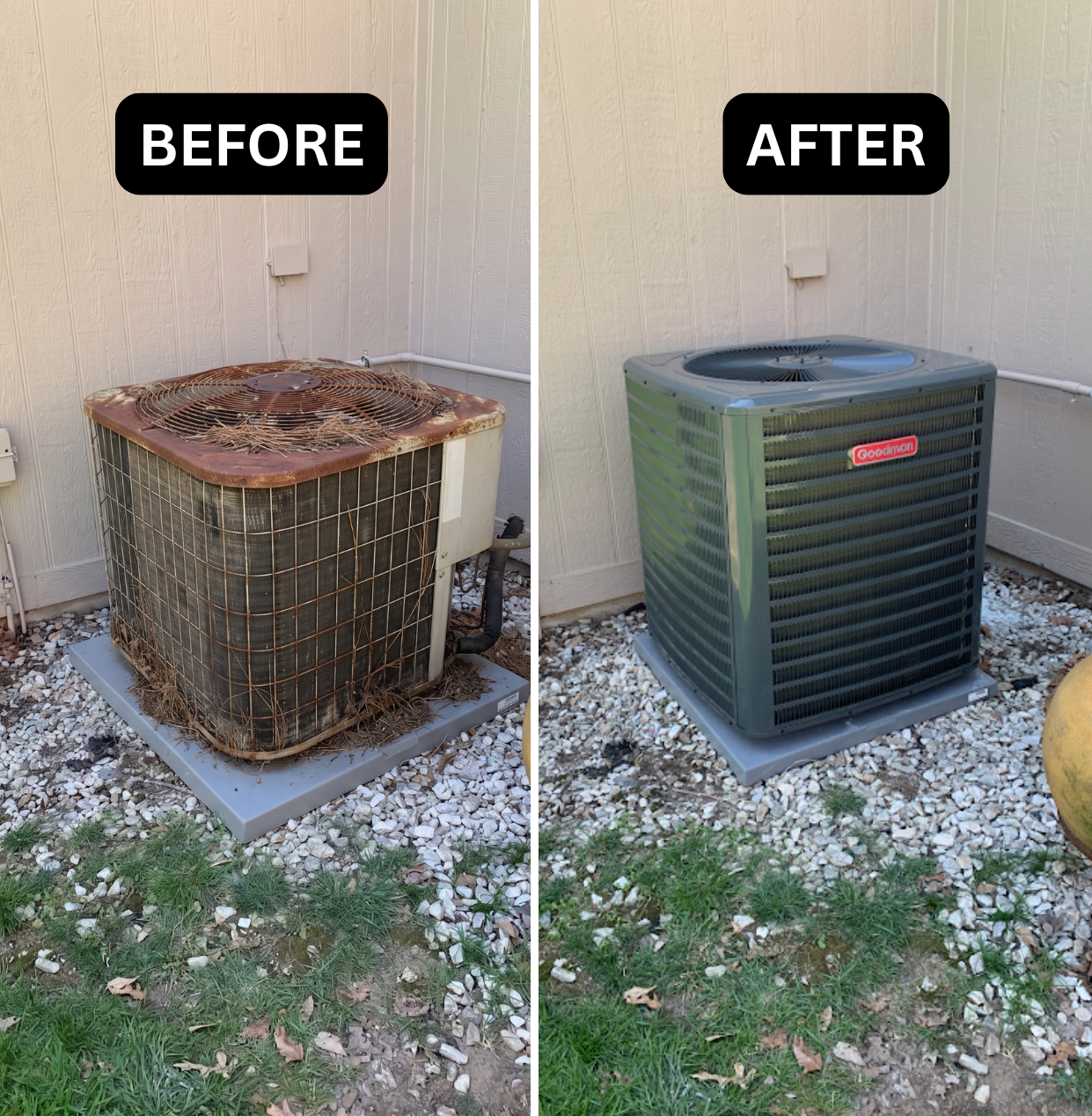
Make sure access is clear. Outdoor units need space around the cabinet. Indoor units need clearance from storage, boxes, and blocked service panels. If you have pets, plan for safe access. Nothing wastes time like chasing around a technician because the service area is crowded.
Also, gather what you can. If you have a previous estimate, receipts, or photos of symptoms, bring them. If you noticed water near the indoor unit or heard a particular sound, describe it plainly. “Squeal on start-up” or “rattling after it shuts off” is more useful than “it sounds bad.”
Finally, set the thermostat appropriately for the season so the technician can observe normal operation. For example, if you are calling about cooling, avoid turning it off and back on repeatedly in the hour before service. You want consistent conditions for a proper evaluation.
After the tune-up: what to do so the benefits last
A tune-up is not a one-and-done miracle. Your system still depends on maintenance choices you control.
The biggest homeowner lever is the filter. Pick a filter that your system can handle and that you can replace on schedule. If you have allergies or pets, plan for more frequent changes. The filter recommendation on the thermostat or in your system documentation is a great starting point, but your household conditions matter.
Second, keep vents and returns open. It is tempting to close vents in unused rooms, but doing it aggressively can disrupt airflow balance. If you want to reduce airflow to a room, a better approach is whole-system balancing or zoning practices designed for your system.
Third, pay attention to symptoms after service. If the AC runs quieter but cooling still feels uneven, or if the furnace starts strong but comfort fades, those observations help the contractor refine next steps.
Common KC-specific “gotchas” homeowners run into
Kansas City homes vary widely, from older ranch layouts to newer builds with different insulation strategies and airflow designs. The climate adds humidity in summer and temperature swings in winter, so these issues show up a lot.
One common gotcha is moisture. If the AC is struggling with humidity, it can feel like “the unit is on, but the house is not.” That can happen when airflow is off, coil performance is reduced, or drainage is not working properly.
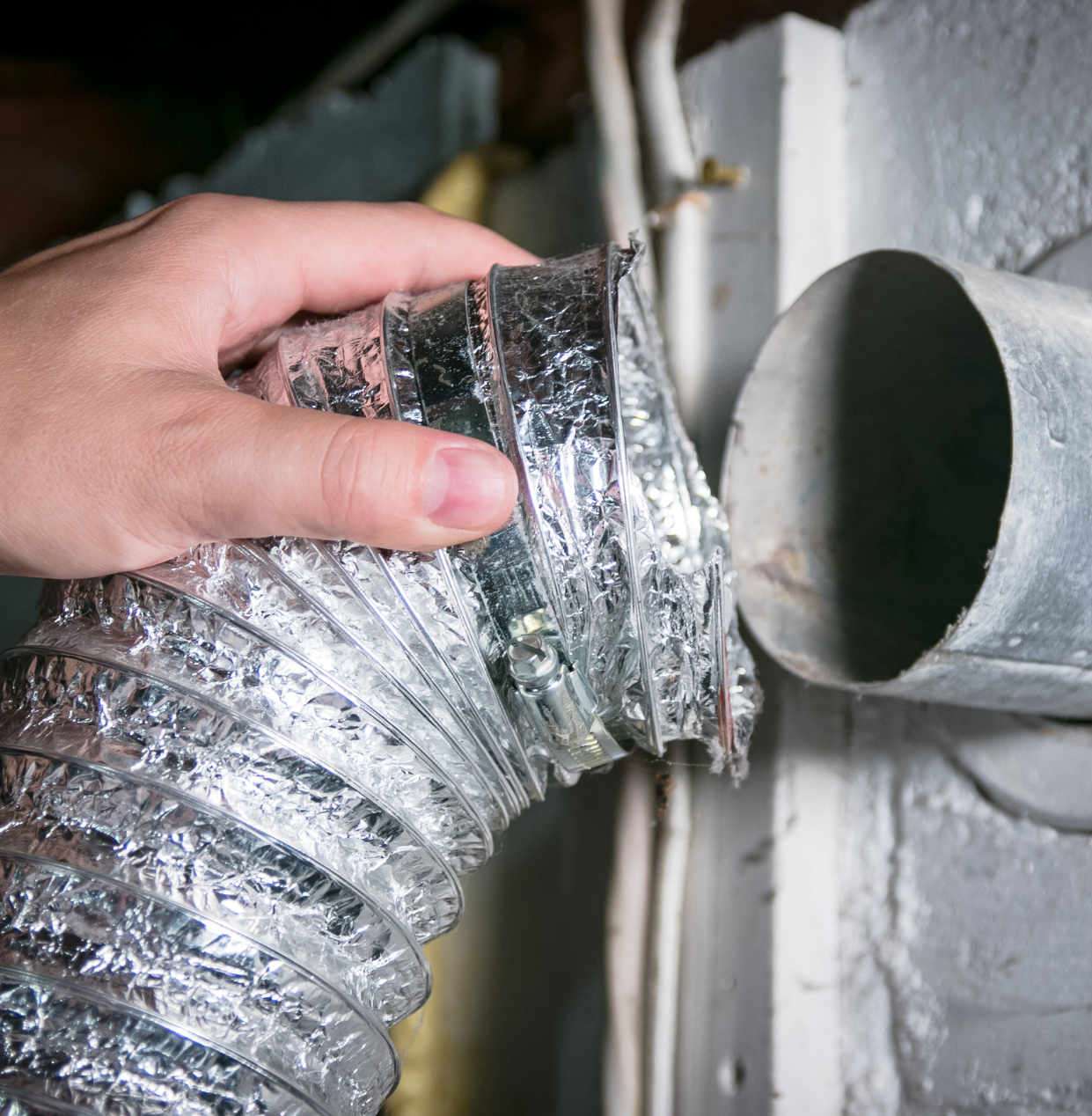
Another gotcha is uneven airflow. KC ductwork can be subject to hidden issues like disconnected sections, poor sealing, or dampers that have been moved over time. Even with a healthy system, comfort can fail if air does not reach rooms as intended.
Also, electrical and thermostat behavior can mimic mechanical faults. A thermostat set for the wrong mode, incorrect staging, or a failing sensor can cause the system to behave like it is underperforming.
These are reasons I like to recommend tune-ups at predictable times rather than waiting for a full breakdown. With maintenance, you catch early performance drift before it turns into a bigger repair.
When you should consider upgrading instead of repeated repairs
Sometimes repairs are the right move, and sometimes your money is better spent on replacing parts or the entire system. The decision depends on system age, repeated failures, and how critical the comfort issue is.
If you have a system that keeps needing the same type of repair, it may be nearing the end of its reliable life. If ductwork is severely compromised, replacing the unit without addressing airflow can lead to disappointment.
A good HVAC contractor can help you evaluate. Look for an approach that explains trade-offs, not one that pushes a replacement because it is the fastest path. If a new system would materially improve comfort and efficiency, that should be stated clearly with supporting details.
Scheduling tips for KC residents so you do not get stuck waiting
If you have flexibility, schedule tune-ups earlier in the season. Summer service demand rises fast around the time the first extended heat wave hits. Winter demand climbs during the first hard cold spell. Kansas City weather can swing quickly, so waiting too long often means fewer appointment choices.
Also, consider timing around your household schedule. If you have pets, consider whether the indoor unit and airflow will need to be adjusted during service. If you work from home, you may want a morning appointment so you can monitor thermostat behavior afterward.
Most importantly, schedule based on symptoms and season rather than calendar alone. If your AC is already struggling in late spring, you do not need to wait for “official summer” to get help.
A final way to think about HVAC maintenance in Kansas City
Air conditioning and heating systems are not passive appliances. They are machines that respond to airflow, cleanliness, and electrical stability, and those factors change month to month. A seasonal tune-up is your chance to align the system with the season, before you pay the comfort tax of failure at the wrong time.
When you pair homeowner checks with competent AC maintenance in Kansas City and solid diagnosis from an HVAC contractor in Kansas City MO, you create a plan that is both practical and protective. You reduce the odds of surprise breakdowns, you improve comfort consistency, and you often catch small issues while they are still inexpensive to address.
If you want one takeaway, it is this: treat tuning and testing like maintenance for your whole home, not just a box with wires. In Kansas City, that mindset saves money and keeps your days comfortable, whether the humidity is high or the wind is sharp.
All 4 One Heating & Cooling
5828 Woodland Ave, Kansas City, MO 64110, United States
816-699-8366
[email protected]
Website: https://all4onekc.com/